

Why Subscription Coffee Is Often Fresher Than Store Bags
Last Updated: November 17, 2026
Quick Summary
Subscription coffee is often fresher because it is roasted and shipped against a known order, so beans spend less time waiting on a shelf. The main freshness gap is roast-to-delivery time, which is usually short for subscriptions and can stretch to weeks or months for store bags. Why subscription coffee is often fresher comes down to how quickly the beans reach your cup after roasting.
- Subscription coffee is roasted in small batches tied to specific orders, so it has little reason to sit in stock.
- Store bags can sit on grocery shelves for weeks or months before anyone buys them.
- Whole beans often keep their best flavor for roughly two to four weeks after roasting.
- Check the roast date rather than relying on a best-by date, and count the days from roast to delivery.
- Store beans airtight, away from heat and light, and grind only what you need just before brewing.
Table of Contents
- How Coffee Subscriptions Actually Work
- Why Roast-to-Ship Timing Makes Subscription Coffee Fresher
- Checking the Coffee Roast Date on Any Bag
- How Long Do Coffee Beans Stay Fresh After Roasting
- Subscription Versus Local Roasters and Grocery-Store Coffee
- Choosing a Coffee Subscription Frequency That Matches Your Cups
- Storing Your Beans So the Freshness Lasts Until Your Last Cup
- Frequently Asked Questions
How Coffee Subscriptions Actually Work
Calamotti Coffee roasts small batches of hand-selected beans and ships them directly to your door. That gap between roasting and delivery is one of the main reasons subscription coffee can be fresher than store bags.
A subscription works on a simple cycle. You choose a coffee, pick how often you want it delivered, and the roaster packs and ships the order on that schedule. Because the order is already promised to a known customer, the roaster has little reason to hold stock for long periods.
Store bags work differently. A grocery shelf may hold a bag for weeks or months before anyone buys it. Freshness is decided long before the bag reaches the shopper, which is why the subscription model tends to start from a stronger position.
Why Roast-to-Ship Timing Makes Subscription Coffee Fresher
Roast-to-ship time is the number of days between roasting and the moment a bag leaves the roaster. For subscription coffee, this window is usually short because each batch is tied to a specific order.
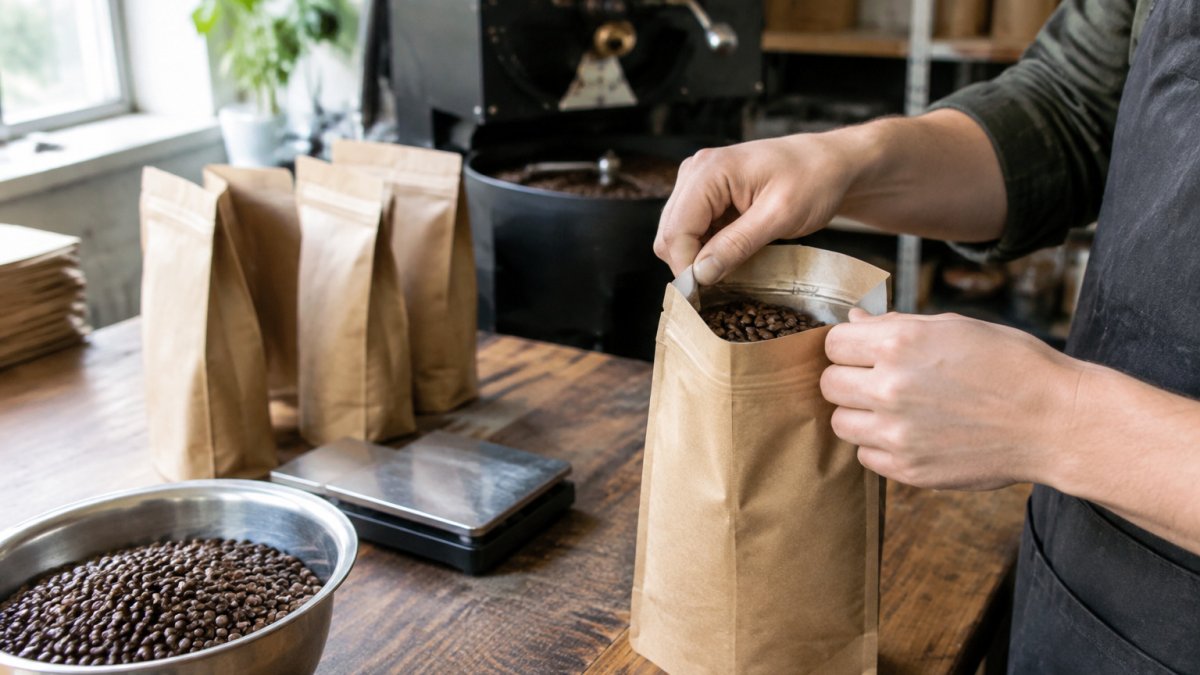
Roasted coffee releases carbon dioxide and begins losing aroma as oxygen reaches the beans. Shorter roast-to-ship times generally mean the beans reach you closer to their peak flavor.
Shipping and packaging matter too. A sealed bag helps protect the beans during transit. The longer a bag travels in warm or humid conditions, the more quickly its flavor can fade. A short, well-packed delivery route protects that flavor.
Store bags are not always stale, and some grocery roasters are very fresh. The point is that freshness depends on how quickly a bag moves from roasting to the buyer.
The core freshness factors come down to a few variables you can compare directly.
| Factor | Subscription coffee | Store bags |
|---|---|---|
| Timing | Roasted in small batches for orders | Can sit on shelves for weeks or months |
| Holding time | Short, tied to a known order | Depends on how fast the store sells |
| Transit | Shipped directly to your door | Travels from warehouse to shelf first |
| Packaging | Sealed bag protects beans in transit | Sealed bag, but may age before purchase |
Checking the Coffee Roast Date on Any Bag
The roast date is one of the most useful freshness signals on a bag, but only if you know how to read it. Treat the roast date as one data point in a short verification routine.
Start by distinguishing the three dates you are likely to see:
- Roast date: The day the beans were roasted. This is the only date tied directly to flavor. It is usually printed as a day-month-year stamp or a 'Roasted on' line.
- Best-by or use-by date: A quality window chosen by the seller, often months after roasting. It tells you when the bag is no longer at its intended quality, not when it was roasted. A best-by date alone says little about how fresh the coffee is today.
- Packed-on or dispatched-on date: Sometimes printed alongside the roast date. The gap between roast date and dispatch date is the roaster's holding time before shipping.
A practical check for any bag, subscription or not:
- Find the roast date, not just a best-by date. If only a best-by date appears, ask the roaster for the roast date before ordering.
- Count the days from roasting to the day the bag reaches you. That total, roast-to-delivery time, is the number that matters, not the roast date alone.
- Compare that count with the freshness window you plan to use (see the timeline section below).
- Note whether the bag lists origin, process, and roast level. These details help you judge how the coffee is likely to age, but they are not freshness signals themselves.
Watch out: a bag can carry a recent roast date and still arrive stale if it sat in a warm warehouse or a slow postal route. Roast date tells you when the clock started; packaging and transit tell you how fast it ran.
A roaster confident in its freshness usually states the roast date clearly. If a bag has no roast date at all, treat that as a reason to ask the seller rather than proof of staleness, some roasters use batch codes you can look up.
For subscription coffee specifically, the useful question is not 'is there a roast date?' but 'how many days passed between roasting and the bag leaving the roaster?' A subscription that roasts to order and dispatches within a day or two keeps freshness high. A subscription that roasts in bulk and ships from a distant warehouse may not, regardless of what the marketing says.
How Long Do Coffee Beans Stay Fresh After Roasting
Coffee tends to taste best within a few weeks of roasting. Many people find that whole beans hold their best flavor for roughly two to four weeks, with ground coffee fading faster because more of the surface is exposed to air.
These timings are general guidance, not a fixed rule. Roast level, bean density, packaging, and storage all affect how quickly flavor changes. Light roasts often show their character for longer, while dark roasts can taste flat sooner.
Practical freshness timeline:
- Days 3 to 14 after roasting: Many brewers find the flavor is most lively, though some coffees need a few days to settle.
- Weeks 3 to 4: Flavor is usually still good, but the brightness may begin to soften.
- Beyond a month: The cup often tastes flatter, even if it is still safe to drink.
Subscription Versus Local Roasters and Grocery-Store Coffee
Most comparisons pick a winner. A more useful approach is to compare the three channels on the variables that actually determine freshness: time from roast to your hands, how long the seller holds inventory, and how much of the transit you control.
Roast-to-delivery time. A local roaster you visit on roasting day can offer very fresh coffee, you can buy a bag shortly after it is roasted. A subscription's delivery timing depends on the roaster's dispatch schedule and your distance from the roastery. Grocery-store coffee varies widely: some stores turn stock quickly, while others may hold bags for weeks or months before purchase. The channel sets the range; the specific seller sets the number.
Inventory turnover. A subscription is built around promised orders, so the roaster has less reason to hold roasted stock for long. A local roaster may roast to a weekly schedule and sell through quickly, or may keep bags on a shelf for walk-in customers. A grocery shelf depends on how fast that store sells that brand, a high-volume store moves coffee faster than a low-traffic one. Turnover is the hidden variable behind the roast date on the bag.
Shipping and transit. A subscription adds a transit leg the local roaster does not. That leg is where freshness can be lost: heat, light, and slow routes all cost flavor. A well-packed bag protects the beans, but it cannot undo a long stretch in a warm delivery van. Local pickup removes that risk entirely; grocery pickup removes it too, but adds the shelf-time risk instead.
What this means in practice. No channel is automatically fresher. A subscription from a roaster that roasts to order and ships promptly is often fresher than a grocery bag of unknown shelf age. A local roaster you visit on roast day is often fresher than both. A grocery bag can be the fastest option when you need coffee today, even if it is not the freshest.
A fair way to judge any channel is to ask three questions: How many days from roast to dispatch? How long has the bag been in the seller's hands? How long will it be in transit to me? The answers matter more than whether the coffee came from a subscription, a local roaster, or a store shelf.
Choosing a Coffee Subscription Frequency That Matches Your Cups
The best delivery schedule is the one that matches how much coffee you drink. Ordering too often can leave beans sitting in the cupboard past their best window. Ordering too rarely can leave you running out or rushing to buy a bag elsewhere.
A simple way to estimate:
- Count how many cups of coffee you brew in a typical week.
- Estimate how much coffee each cup uses, then multiply to find your weekly total.
- Choose a bag size and delivery interval so you finish each bag within about three to four weeks of roasting.
For example, a household that drinks a few cups a day may find a smaller bag every two weeks works better than one large bag every month. If you find yourself finishing bags quickly, shorten the interval. If beans regularly go stale before you finish them, lengthen the interval or choose a smaller bag. You can also skip or pause a delivery when you have a slow week.
For a quick start, try the Best Sellers Sample Pack, which includes six 2 oz packs (6Bean, Cowboy, Breakfast, Peru, Mexico, and Bali) so you can see which flavors suit your routine before committing to a recurring order. Once you know which coffees you like, you can set your delivery frequency around them.
Storing Your Beans So the Freshness Lasts Until Your Last Cup
Good storage keeps the flavor you paid for. Oxygen, heat, light, and moisture are the main enemies of fresh coffee.
- Keep beans in an airtight container, ideally one that blocks light.
- Store them at room temperature, away from the oven, sunny windows, and the fridge.
- Grind only what you need just before brewing, since ground coffee loses flavor much faster than whole beans.
- Avoid repeatedly opening a large bag in humid conditions. Transfer a small amount to a daily container instead.
Many people keep the original bag, folded shut, inside a larger airtight container.
Ready to taste the difference fresh roasting makes? Calamotti Coffee's Single Origin Favorites Sample Pack lets you try six single origins in 2 oz packs, so you can find the cup you love and set a delivery schedule that keeps it fresh. Start with the sample pack and find your favorite today.
Frequently Asked Questions
Why is subscription coffee often fresher than supermarket coffee?
Some subscription roasters roast to order and ship quickly, so the bag may reach you while the beans are still near their peak. Supermarket coffee may have been roasted weeks or months earlier and then spent time on shelves under bright lights. Freshness depends on roast-to-ship time more than on the subscription label itself, so check the roast date on any bag before you assume it is fresher.
How soon after roasting should you drink coffee beans?
Most coffee is at its best roughly 3 to 14 days after roasting, once the gas released during roasting has settled enough for a balanced extraction. Many people find lighter roasts taste best toward the later end of that window. Beans can still be drinkable for several weeks after that, but the aroma and sweetness fade gradually, so the closer to the roast date you brew, the more the flavor will show.
Do coffee subscriptions ship beans immediately after roasting?
Many small-batch roasters roast in small lots and ship soon after, but timing varies by company and season. Ask the roaster for its typical roast-to-ship window, and look for a roast date printed on the bag. A roaster that can state that window clearly is generally easier to trust on freshness than one that only uses words like fresh.
Does freshly roasted coffee need to rest before brewing?
Yes, very fresh coffee often tastes sour or flat for the first day or two because it releases carbon dioxide. Letting beans rest for several days before brewing usually improves the balance. Once the rest period has passed, the coffee tends to reach its most pleasant flavor, which is why freshness and brewing readiness are separate questions.
