

What Makes Single Origin Coffee Different: A Guide
Last Updated: November 12, 2026
Quick Summary
Single origin coffee is coffee traced to one specific place of origin, whether that is a single farm, a cooperative, a region, or a country, rather than a blend of beans from multiple sources. The term is not regulated, so the narrower the origin claim, the more the label promises and the harder that promise is to fake.
- A country label can legally cover a blend of hundreds of smallholder lots.
- Single origins shift from harvest to harvest, while blends hold a steady flavor profile year-round.
- Coffees grown above roughly 1,200 to 1,500 meters in Latin America often show more brightness and complexity.
- A light roast preserves acidity and floral aromatics, while a dark roast can taste similar across origins.
- The Single Origin Favorites Sample Pack includes six 2oz packs of single origin coffees.
Table of Contents
- What Is Single Origin Coffee and What the Label Really Means
- Single Origin Coffee vs Blend: How They Differ in Flavor, Price, and Consistency
- How Origin Affects Flavor: Terroir, Elevation, and Processing
- Single Origin Coffee Countries Worth Exploring
- Single Origin vs Blend Espresso: Which Belongs in Your Machine
- How to Evaluate Traceability and Ethical Sourcing Claims
- A Practical Tasting Method for Comparing Single Origin Coffees
- Choosing Your First Single Origin Bag at Calamotti Coffee
- Frequently Asked Questions
What Is Single Origin Coffee and What the Label Really Means
Single origin coffee is coffee traced to one specific place of origin, whether that is a single farm, a cooperative, a region, or a country, rather than a blend of beans from multiple sources. Small-batch roasting lets a specific place show up in the cup.
A bag labeled "Ethiopia" tells you the country. A bag labeled "Sidama Zone, Ethiopia" tells you far more. The narrower the trace, the more the label promises, and the harder that promise is to fake.
The Limits of the Term: Farm, Region, or Country
Here is what most guides miss: "single origin" has no legal definition. A coffee can carry the label while mixing hundreds of smallholder lots from one country. That is still single origin in the broad sense, but it is not a micro-lot from one farm.
The Specialty Coffee Association's guidance on origin and traceability treats origin as a spectrum rather than a binary. The useful question is not "is it single origin?" but "how narrow is the origin claim?"
| Label Level | What It Means | Traceability |
|---|---|---|
| Country | Beans from one nation | Broadest, easiest to blend |
| Region | Beans from one growing region | Moderate |
| Cooperative | Beans from one group of farms | Strong |
| Single farm or estate | Beans from one producer | Strongest |
| Micro-lot | A specific plot or harvest | Strongest, rarest |
Single Origin Coffee vs Blend: How They Differ in Flavor, Price, and Consistency
A single origin coffee vs blend comparison comes down to character versus consistency. Single origins express one place and can shift from harvest to harvest. Blends combine origins to hold a steady flavor profile year-round and often cost less per bag.
The trade-off is real. A blend is the reliable house cup. A single origin is the one that changes and surprises you.
| Factor | Single Origin | Blend |
|---|---|---|
| Flavor | Distinctive, expressive, nuanced | Balanced, consistent |
| Consistency | Varies by harvest | Stable year-round |
| Price | Often higher | Often lower |
| Sourcing | Traceable to a place | Multiple sources |
| Best for | Tasting and exploring | Daily reliability |
How Origin Affects Flavor: Terroir, Elevation, and Processing
Origin shows up in the cup through a chain of causes: the plant's genetics, the climate and soil it grows in, the altitude it ripens at, how the cherry is processed, how it is roasted, and how it is brewed. Each link can amplify or blur the place character, which is why two coffees from the same farm can taste different and why two coffees from different countries can taste similar after a dark roast.
Variety, Soil, and Growing Conditions
Coffee variety sets the flavor template. Arabica cultivars such as Bourbon, Typica, SL28, and Gesha carry different tendencies: Bourbon tends toward round sweetness, Typica toward clean structure, SL28 toward vivid blackcurrant-like acidity, and Gesha toward floral aromatics.
Soil and climate shape how those tendencies express. Volcanic loam soils with good drainage and steady, moderate rainfall tend to support the complex acidity specialty drinkers chase, while long dry seasons and high heat can push ripening faster and flatten acidity.
Elevation and Its Influence on Taste
Elevation matters because cooler nights at altitude slow cherry maturation. A slower ripening period gives the bean more time to develop sugars and organic acids, which usually reads as higher acidity, more density, and more layered aroma.
Elevation is not a quality guarantee on its own. A poorly processed high-altitude lot can taste muddy, and a carefully handled lower-altitude lot can be clean and sweet. Treat elevation as one clue among several.
Washed, Natural, and Honey Processing
Processing decides how much fruit character survives drying. The washed process removes the cherry and mucilage before drying, producing clarity, clean acidity, and a cup that reads as the place and variety rather than the fruit.
Processing can also mask origin. A heavy natural fermentation can push a coffee so far toward berry and tropical fruit that the underlying variety and soil are hard to read. The Ethiopia Natural is full natural processed, sorted by hand, and dried on raised beds, with milk chocolate, fruity, and caramel notes.
Roast Level and Brewing Variables Can Obscure Origin
Roast is the variable most likely to hide where a coffee came from.
Brewing variables matter just as much. Grind size, water temperature, brew ratio, and water chemistry can each push a cup toward bitterness, sourness, or flatness.
Watch out: if you compare two single origins at different roast levels or with different brew methods, you are mostly tasting roast and technique, not origin.
Single Origin Coffee Countries Worth Exploring
Start with countries whose profiles match what you already enjoy. Ethiopia delivers floral and fruity cups, Kenya brings bright, effervescent acidity, and Peru leans into silky caramel sweetness. Uganda offers a gentler, chocolatey profile with mild acidity.
Our lineup makes this easy to test. The Uganda offers a light-bodied cup with mild acidity and dark fruit notes. The Kenya is vivid and citrus-forward. The Peru is rounded and sweet. Each one is a different answer to the same question: what does place taste like?
Single Origin vs Blend Espresso: Which Belongs in Your Machine
For espresso, blends usually win on consistency, while single origins win on character. A blend gives you predictable crema and balance shot after shot. A single origin espresso can be thrilling, but it demands more dialing in as beans age.
If you pull shots daily and want reliability, blend. If you want to taste a place through your machine, try a single origin and adjust your grind finer as the roast date recedes.
How to Evaluate Traceability and Ethical Sourcing Claims
Traceability and ethics are related but not the same. Traceability is about whether the roaster can document where the coffee came from and how it moved from producer to bag. Ethics is about whether the people and land behind that coffee were treated and managed well. A bag can be highly traceable and still say nothing about fair compensation or environmental practice, and a bag can carry an ethical certification without naming a single farm.
What Traceability Evidence Looks Like
Traceability claims are only as good as the detail behind them. Look for a named farm, cooperative, region, and altitude on the bag. Vague country-only labels with no producer information are a warning sign, because a country label can legally cover a blend of hundreds of smallholder lots.
- Is a specific farm, cooperative, or region named?
- Is the altitude or growing region listed?
- Is the processing method stated?
- Is the variety disclosed?
- Is the harvest or crop year given?
- Does the roaster explain their sourcing relationships?
A roaster who can name the cooperative and the process is showing their work. One who cannot is asking you to trust a word with no legal meaning.
Ethics and Sustainability Are Not Guaranteed by Origin
Single-origin status says nothing on its own about fair pay, labor conditions, or environmental practice. A coffee can be a single farm and still be farmed with heavy chemical inputs or sold at prices that leave the producer with little margin.
A common pattern is to look for third-party verification alongside the origin story. Certifications such as Fairtrade, Rainforest Alliance, and organic labels each verify different things, and none of them replaces a direct relationship between roaster and producer.
Seasonality and Changing Harvests
Single-origin coffee is agricultural, not manufactured, so the same named origin can taste different from one harvest to the next. Rainfall, temperature, cherry timing, and processing decisions all shift year to year, and a farm's lot from one crop may be brighter or sweeter than the previous year's.
Seasonality also affects availability. Most origins harvest once a year, so a fresh crop arrives in a window and then ages.
A Practical Tasting Method for Comparing Single Origin Coffees
Comparing two single origins side by side teaches you more than reading ten articles. Brew both the same way, at the same dose and grind, and taste them back to back while they are still warm.
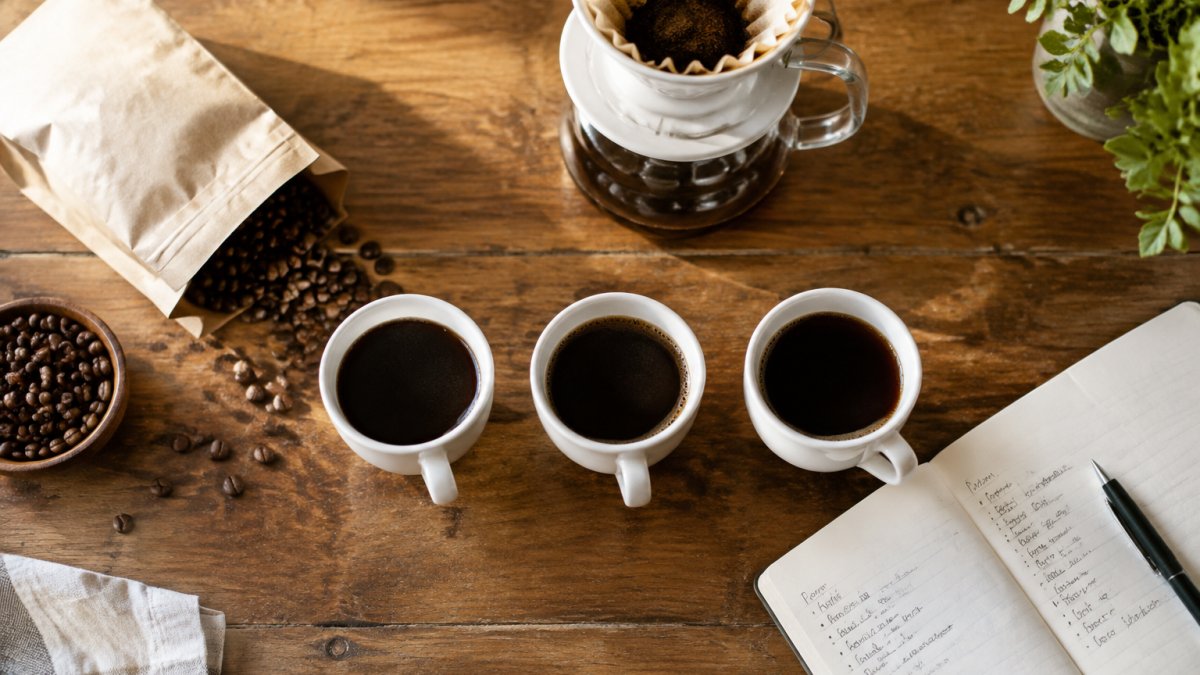
- Weigh the same dose of each coffee, ideally 15 to 18 grams.
- Grind to the same setting and brew with identical water and timing.
- Slurp each cup and note acidity, sweetness, and body.
- Write one word per coffee for aroma and one for finish.
- Revisit each cup as it cools; flavors shift noticeably.
Keep the roast level and brewing variables constant, or you are tasting the roast, not the origin. A medium roast and a medium-light roast will read differently even from the same farm.
Choosing Your First Single Origin Bag at Calamotti Coffee
The easiest way to start is a sampler rather than a full bag. The Single Origin Favorites Sample Pack includes six 2oz packs of single origin coffees, so you can taste several origins before committing.
From there, follow your palate. If you loved the fruity cup, stay with natural processes. If clarity won you over, lean washed.
The challenge with single origin coffee is that it rewards attention: you have to taste, compare, and notice how each harvest shifts. That is exactly the point.
Frequently Asked Questions
What makes single origin coffee different from a blend?
A single origin coffee comes from one defined place, whether a country, region, cooperative, or individual farm, so its flavor reflects that specific soil, elevation, and processing method. A blend mixes beans from several origins to create a consistent, balanced cup. Single origin coffees tend to be more distinctive and change from harvest to harvest, while blends are built to taste the same year-round.
Does single origin coffee always come from one farm?
No. The term covers a range of scales. It can mean a micro-lot from one farm, a cooperative pooling smallholder harvests, or a regional lot from many growers in the same area. That is why traceability matters: a bag naming a specific farm or washing station tells you far more than one that only lists a country. Ask the roaster which level applies.
Can you use single origin coffee for espresso?
Yes, and many drinkers prefer it. In single origin vs blend espresso, a single origin tends to show sharper acidity and clearer fruit or floral notes, which can taste bright and complex as a shot. Blends are often chosen for espresso because they balance sweetness and body more predictably. If you brew espresso at home, try a medium roast single origin and adjust your grind finer if the shot runs sour.
How does a coffee's origin affect its flavor?
Origin sets the raw material: coffee variety, altitude, soil, rainfall, and processing all shape what ends up in the cup. High-grown Ethiopian beans often taste floral and fruity, Kenyan lots frequently show bright citrus acidity, and Brazilian coffees tend toward cocoa and nut sweetness. Roast level and brewing then decide how much of that character survives. Lighter roasts keep more origin flavor; darker roasts mute it.
Is single origin coffee better than a blend?
Better depends on what you want. Single origin coffee offers clarity and a sense of place, and it rewards drinkers who like comparing harvests. Blends offer consistency and balance, which suits daily routines and milk drinks. Neither is higher quality by definition. A well-roasted blend beats a stale single origin every time, so freshness and roast date matter more than the label.
Does single origin coffee cost more, and why?
Often, yes. Small lots from one farm or cooperative are harder to source in volume, may be picked and sorted by hand, and can command higher prices at auction. Calamotti Coffee's single origin bags sit at 19.99, with the Single Origin Favorites Sample Pack at 24.99 for six 2oz packs. The extra cost buys traceability and distinct flavor rather than a guaranteed better cup.
