

What Makes a Good Lucky Goat Alternative for Coffee?
Last Updated: October 26, 2026
Quick Summary
A Lucky Goat alternative for coffee should match your roast profile, brewing method, and budget. The key is intentionality: it delivers its own character while aligning with how you brew and what flavor notes you prefer, whether that's bright acidity in a light roast or bold chocolate in a dark roast.
- Light roasts suit pour-over and Aeropress, medium roasts work across all methods, and dark roasts excel in French press and espresso.
- Specialty whole-bean coffee typically costs $1.25-$2.00 per ounce, while single-serve pods cost $0.75-$1.50 per pod.
- Roast-date transparency and shipping speed within days of roasting are value signals that separate quality alternatives.
- Subscriptions often save 10-20% versus one-time purchases and offer flexible frequencies without cancellation fees.
- Sample packs let you test different roast profiles and origins before committing to full-size bags.
Table of Contents
- What to Look for in a Lucky Goat Alternative for Coffee
- Understanding Coffee Roast Flavor Profiles
- Sourcing and Quality: Single-Origin Coffee Beans vs. Blends
- Coffee Beans for Home Brewing: Format and Freshness
- Decaf Coffee Beans: Quality Without the Caffeine
- Comparing Price and Value Across Premium Roasters
- How Calamotti Coffee Stacks Up as Your Next Coffee Subscription
- Frequently Asked Questions
What to Look for in a Lucky Goat Alternative for Coffee
Finding a Lucky Goat alternative for coffee that matches what you're already drinking requires understanding what makes one roast different from another. What works as a substitute depends on what you value most: roast profile, origin, brewing method, or price.
At Calamotti Coffee, we offer small-batch roasted beans for people who value a flavor family that resonates.
The key distinction between a true alternative and just another bag of beans is intentionality: it delivers its own character, not a clone.
A worthy alternative has a roast profile that matches your brewing method. We'll walk through that factor.
Understanding Coffee Roast Flavor Profiles
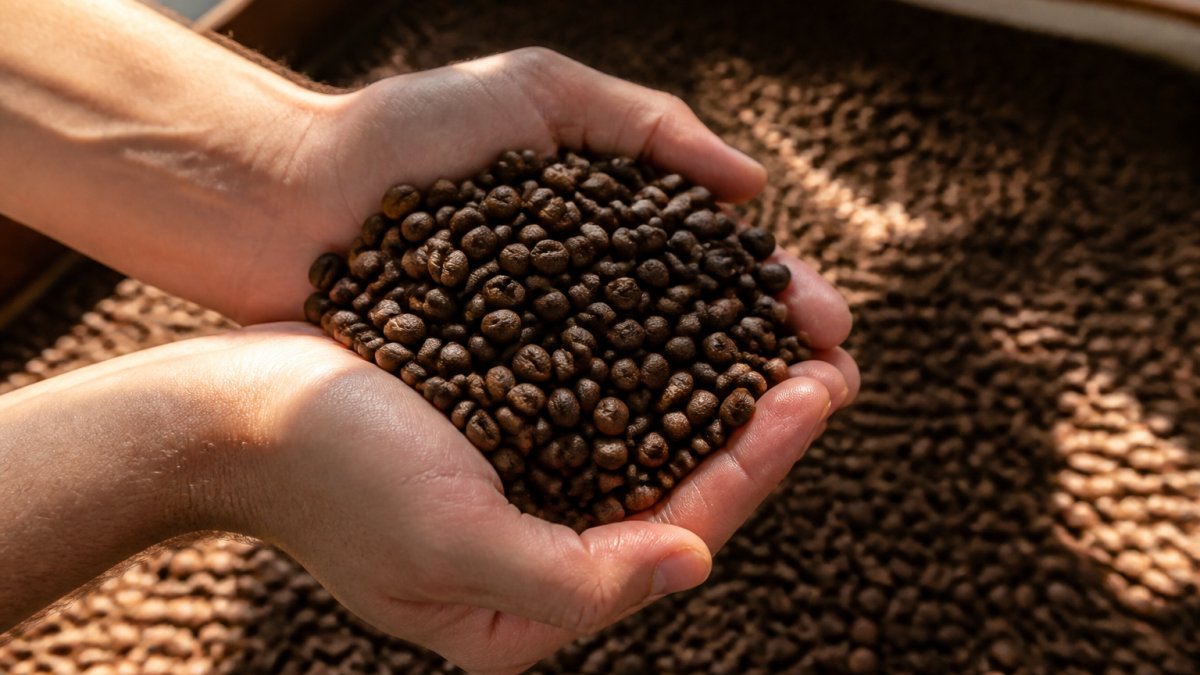
The roast level influences what you'll taste in your cup. Light roasts can have bright acidity and floral notes, while medium roasts can balance origin and roasting flavor. Dark roasts can have bold, smoky, chocolate-forward notes.
A light roast and a dark roast are different products for different palates and brewing methods.
If you're used to drinking coffee through a specific method, you may want to consider that when choosing a roast.
Consider these roast categories:
- Light roast: Highest acidity, most origin flavor, best for pour-over and Aeropress
- Medium roast: Balanced acidity and body, works across all brewing methods
- Dark roast: Low acidity, bold flavor, excellent for French press and espresso
- Medium-dark roast: Sweet chocolate and caramel notes, forgiving across brewing styles
Calamotti's Breakfast Blend is a medium roast blend of coffee from South America.
The real skill in finding an alternative is matching roast level to your brewing ritual, not just chasing a familiar flavor profile.
Each roast level delivers different flavor characteristics and suits different brewing methods.
| Roast Level | Flavor Profile | Best Brewing Method |
|---|---|---|
| Light roast | Bright acidity, floral notes | Pour-over, Aeropress |
| Medium roast | Balanced acidity and body | All brewing methods |
| Medium-dark roast | Sweet chocolate and caramel | Forgiving across styles |
| Dark roast | Bold, smoky, chocolate-forward | French press, espresso |
Sourcing and Quality: Single-Origin Coffee Beans vs. Blends
Single-origin coffees and blends are different options. Explore a curated Single Origin Favorites Sample Pack to discover single-origin varieties.
For a coffee alternative, your choice between single-origin and blend depends on what you're seeking.
Our House Blend is a medium roast blend of select coffees from Central and South America, with nutty, sweet chocolate, mild citrus, and a clean bright finish.

Ask whether a roaster can tell you where its beans come from and how they're processed.
Coffee Beans for Home Brewing: Format and Freshness
When evaluating a coffee alternative, you can ask how often the roaster roasts, how quickly it ships after roasting, and whether it lists roast dates.
Storage matters too. Keep beans in an airtight container away from heat and light; a sealed bag with a one-way valve works fine. The freezer is acceptable for long-term storage if airtight.
Calamotti offers beans roasted in small batches.
Decaf Coffee Beans: Quality Without the Caffeine
When you're evaluating a coffee alternative for decaf, you can ask whether the roaster lists the decaffeination method.
Comparing Price and Value Across Premium Roasters
Price is one variable to compare. Calamotti's Latin American Blend offers a mid-range option to evaluate value. For anyone seeking a Lucky Goat alternative for coffee, the goal is to understand the price of the coffee they're considering.
You can compare the listed price with the amount of coffee in the bag.
Here is a framework for evaluating value across any premium roaster, including Calamotti:
- Base price per ounce: Calculate from the bag size, not the sticker price. Typical specialty whole-bean coffee falls in the $1.25-$2.00 per ounce range. Ground coffee and pods usually cost more per ounce because of processing and packaging.
- Shipping threshold: Many roasters offer free shipping above a certain order value (commonly $30-$50). If you order one bag at a time, shipping can add $5-$8, effectively raising your per-ounce cost by 25-40%. Subscriptions often bundle shipping or discount it.
- Subscription discount: Recurring orders frequently save 10-20% versus one-time purchases. Ask whether the discount applies to every shipment and whether you can pause without losing the rate.
- Freshness premium: A bag roasted this week is worth more than a bag roasted two months ago, even at the same price. Roast-date transparency is a value signal. If a roaster does not print a roast date, assume the worst and price accordingly.
- Format cost: Whole beans are the most economical per ounce. Pre-ground coffee costs slightly more and stales faster. Single-serve pods are the most expensive per cup, often $0.75-$1.50 per pod, which can be 2-4x the per-cup cost of brewing whole beans.
Calculate your own yield before comparing prices.
When evaluating a Lucky Goat alternative, ask these questions:
- What is the cost per ounce at the bag size I will actually buy?
- Does the roaster publish roast dates, and how quickly do they ship after roasting?
- Is shipping free above a threshold I can realistically meet?
- Does the subscription save me money without locking me into a long commitment?
- Are sample packs available so I can test before committing to full bags?
Calamotti’s listed products are priced at $19.99. The House Blend is a medium roast blend of select coffees from Central and South America.
How Calamotti Coffee Stacks Up as Your Next Coffee Subscription
Instead of asking whether Calamotti is “good,” consider which of its listed products suits your preferences.
If you want a smooth, medium-roast daily driver: Look for a balanced medium roast with chocolate and caramel notes in whole bean and ground. Calamotti’s House Blend combines Central and South American coffees using natural and washed processing. Compare flagship blends on roast date transparency and per-ounce price, the key differentiator is whether the roaster publishes roast dates and ships within days of roasting.
If you love bold, dark-roast coffee: Seek alternatives that explicitly label dark or medium-dark roasts in whole bean, ground, and pod formats. Dark roasts are forgiving across brewing methods, making them a safe transition. Calamotti’s Latin American Blend leans chocolatey and nutty. Check whether the roaster offers a dark-roast decaf, since many do not.
If you are a cold brew or nitro drinker: Cold brew demands a coarser grind and often a darker roast for body. Look for coarse-ground coffee or whole beans you can grind at home. Calamotti offers whole beans that work for cold brew when ground coarse; ask about grind options at checkout. Pre-ground cold brew blends save a step but cost more per ounce.
If you want single-serve convenience: Pods and single-serve options are the most expensive per cup but the most convenient. Calamotti’s core lineup focuses on whole bean and ground, so if pods are non-negotiable, compare against roasters that offer compostable or recyclable pod formats. Check compatibility with your machine before subscribing.
If you need decaf: Calamotti’s Max Caf Blend is a decaf roasted with the same care as the regular lineup. When comparing decaf alternatives, ask about the decaffeination method, Swiss Water and CO2 processes preserve flavor better than solvent-based methods. A roaster that lists the method is a roaster that takes decaf seriously.
If you want to try before committing: Sample packs are the lowest-risk way to evaluate an alternative. Calamotti’s Single Origin Favorites Sample Pack and Flavored Coffees Sample Pack let you test different profiles before buying full bags. Compare sample pack pricing and shipping terms across roasters; some charge full shipping on samples, which erodes the value.
Availability and shipping: Calamotti ships nationally from its roastery, with subscription orders receiving priority roasting and shipping. Online-only roasters often have fresher coffee but longer shipping times; local roasters offer immediacy but limited reach. Calamotti is online-first, so every bag ships within days of roasting rather than sitting on a shelf.
Price positioning: At $19.99 per 12-ounce bag, Calamotti sits in the middle of the specialty range. Compare per-ounce cost and shipping thresholds against the alternatives above. A roaster that charges $17 per bag but $8 shipping is more expensive per ounce than a $20 bag with free shipping above $30.
Subscription flexibility: A good subscription lets you control frequency, pause without penalty, and adjust roast preferences. Calamotti offers weekly, biweekly, monthly, or custom frequencies, and you can pause or cancel without fees. Compare against competitors that require minimum commitments or charge cancellation fees.
Subscribe to our emails to see current offerings.
Frequently Asked Questions
What should I look for in a Lucky Goat alternative for coffee?
Look for roasters that offer small-batch roasted beans and a flavor profile you enjoy. Consider the listed price and the products available.
How do I choose a coffee roast similar to Lucky Goat?
Identify the roast level and tasting notes you prefer. Compare the listed tasting notes of the coffees you are considering.
Which coffee beans are best for home brewing?
For home brewing, choose a coffee based on your preferred flavor profile. Calamotti Coffee offers the House Blend, a medium roast blend of select coffees from Central and South America with nutty, sweet chocolate, mild citrus, and a clean bright finish.
Can I get fresh-roasted coffee shipped to my home?
Calamotti Coffee offers hand-selected, small-batch roasted beans and delivers coffee directly to you.
How do I find a decaf coffee alternative with quality comparable to regular roasts?
Quality decaf coffee uses the same sourcing and roasting care as regular coffee. Look for roasters that treat decaf seriously rather than as an afterthought. Calamotti Coffee includes decaf options in their curated lineup, ensuring the same attention to flavor and sourcing as their regular blends. Read tasting notes and customer feedback to confirm the decaf delivers the taste and smoothness you expect, not a flat or bitter result.
