

How to Keep Coffee Beans Fresh Longer: 7 Storage Rules
Table of Contents
- The Four Enemies of Coffee Freshness (and What They Actually Do)
- How Long Do Coffee Beans Stay Fresh? A Realistic Timeline
- Why the Roast Date Matters More Than the Best-By Date
- Choosing an Airtight Coffee Bean Storage Container
- Do Coffee Beans Keep Better in the Fridge? What to Know Before You Chill
- Can You Freeze Coffee Beans? The Freezer Burn Myth vs. Reality
- How to Keep Coffee Beans Fresh Longer: 7 Daily Habits That Work
- Frequently Asked Questions
Last Updated: October 8, 2026
The Four Enemies of Coffee Freshness (and What They Actually Do)
Keeping coffee beans fresh is a race against time, and four things are working against you: oxygen, moisture, heat, and light. At Calamotti Coffee, we roast in small batches and ship fast for exactly this reason. The window between roast and stale is short, and how you store your beans decides how much of that window you actually get to enjoy.
The good news? All four enemies are manageable once you know how each one attacks your beans.
Oxidation: Why Oxygen Exposure Flattens Flavor
Oxidation is the chemical reaction between oxygen and the oils inside your coffee beans. It's the same process that turns a cut apple brown.
When oxygen hits those oils, it breaks them down. The bright, fruity notes fade first. Then the sweetness goes. What's left tastes flat, papery, or cardboard-like.
This is why an airtight container matters so much. Every time you open a bag and let air in, you speed up the clock.
Moisture, Heat, and Light: The Quiet Degraders
Moisture makes beans absorb water, which ruins the texture and speeds up staleness. Heat pushes the oils to break down faster. Light, especially sunlight, attacks the compounds that give coffee its aroma.
The fix is simple: store beans in a cool, dry place away from windows and stoves. A dark cupboard near your coffee setup works well.
How Long Do Coffee Beans Stay Fresh? A Realistic Timeline
Whole bean coffee stays fresh for about two to four weeks after the roast date when stored in an airtight container at room temperature. Ground coffee loses its peak flavor in days, not weeks.
Here's the realistic timeline:
| Storage Method | Whole Bean | Ground Coffee |
|---|---|---|
| Airtight container, room temp | 2-4 weeks | 3-7 days |
| Original bag, sealed | 1-2 weeks | 2-4 days |
| Freezer, airtight | 1-3 months | 1-2 months |
| Fridge | Not recommended | Not recommended |
After the peak window, beans don't become unsafe. They just taste dull. You lose the aroma and flavor profile that made them worth buying.
Whole Bean vs. Ground Coffee: Two Very Different Clocks
Whole beans keep their oils locked inside. Ground coffee exposes all that surface area to air at once.
That's why whole bean coffee lasts far longer. If you want the freshest cup, grind right before brewing. A basic burr grinder pays for itself in flavor.
Why the Roast Date Matters More Than the Best-By Date
The roast date tells you when your coffee was actually roasted. The best-by date tells you almost nothing useful.
Many bags sold in supermarkets carry a best-by date months in the future. That date is about safety and shelf stability, not peak flavor. Coffee can be "safe" long after it tastes good.
Look for the roast date printed on the bag. Fresh-roasted coffee tastes dramatically better in the first few weeks. If a bag has no roast date, that's a red flag.
This is why we stamp every Calamotti Coffee bag with its roast date. You should always know exactly how old your beans are.
Choosing an Airtight Coffee Bean Storage Container
The best airtight coffee bean storage container blocks all four enemies: air, moisture, heat, and light. Look for an opaque container with a tight seal and, ideally, a one-way valve.
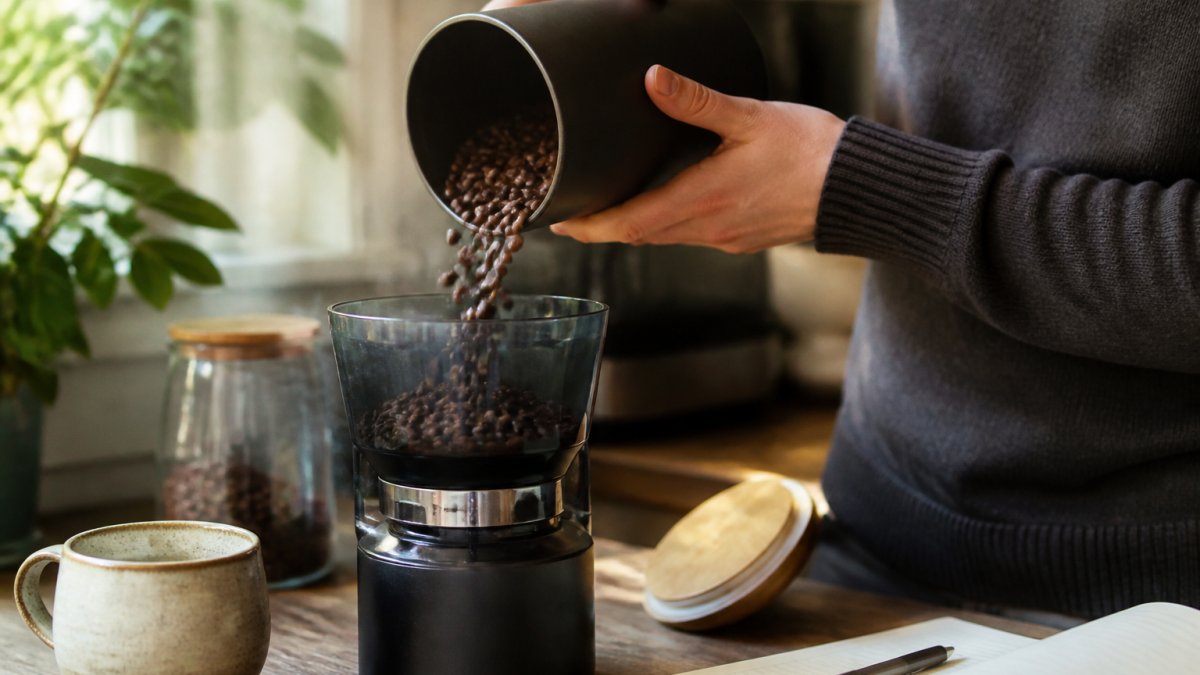
What to check before you buy:
- Opaque walls block light exposure
- A tight seal keeps oxygen out
- A one-way valve lets carbon dioxide escape without letting air in
- A small size means less trapped air
Why One-Way Valves and Opaque Walls Matter
Freshly roasted beans release carbon dioxide in a process called degassing. This happens for days after roasting, sometimes up to a week or more, depending on roast level. A one-way valve lets that gas out while keeping oxygen from getting in. Without one, pressure builds up and the bag can balloon. With a sealed jar and no valve, that gas stays trapped, creating a stale, flat flavor.
Single Origin Favorites Sample Pack →
Opaque walls matter just as much. Clear glass looks nice on the counter, but light exposure breaks down coffee oils and dulls the sensory experience of your cup. Ultraviolet light is especially damaging, which is why many roasters use opaque bags or cans.
The Role of Roast Level in Moisture Absorption
Not all beans react the same way to humidity. Dark roasts are more porous because the roasting process cracks the bean structure, making them absorb moisture faster than light roasts. In humid environments, dark beans can lose their snap and become soggy within days if not stored properly. Light roasts are denser and more resistant, but still vulnerable over time. This is why an airtight container is non-negotiable in damp climates.
Material Trade-Offs: What Works Best
- Stainless steel or ceramic: Opaque, durable, and easy to clean. Look for a silicone gasket for an airtight seal.
- Glass with opaque coating: Good if you want to see the beans, but ensure it blocks light completely.
- Plastic: Lightweight and cheap, but can retain odors and may not seal as well over time.
- Original bag with valve: Often the best short-term option, it's designed for degassing. You can place the whole bag inside an opaque canister for extra protection.
For long-term storage, consider vacuum sealing in opaque bags or jars. This removes nearly all oxygen and is especially effective for freezing. Nitrogen flushing, while excellent for commercial packaging, is not practical for home use. The goal is simple: minimize oxygen, moisture, heat, and light, and choose a container that fits your brewing routine.
Do Coffee Beans Keep Better in the Fridge? What to Know Before You Chill
No, coffee beans do not keep better in the fridge. The refrigerator is one of the worst places for them.
Here's why. Fridges are damp, and beans absorb moisture fast. They also pick up smells from nearby food. Your coffee can end up tasting like last night's leftovers.
Every time you pull the bag out, condensation forms on the cold beans. That moisture is a direct hit against freshness.
Skip the fridge. Store beans at room temperature in a cool dry place instead.
Can You Freeze Coffee Beans? The Freezer Burn Myth vs. Reality
Yes, you can freeze coffee beans, and it's one of the best ways to extend freshness long-term, if you do it right. The fear of "freezer burn" is largely a myth for whole beans stored properly. Freezer burn isn't a burn at all; it's sublimation, where ice crystals in the beans turn directly into vapor and escape, leaving dry, flavorless pockets.
The cold does more than prevent spoilage: it dramatically slows oxidation and caffeine degradation. At room temperature, oxidation proceeds steadily; in the freezer, the reaction rate drops, preserving volatile aromatics for months.
But not all freezing methods are equal. Here's how to do it right:
- Use an airtight, opaque container or vacuum-sealed bag. Oxygen is the enemy; vacuum sealing removes it almost entirely. Nitrogen flushing, used by some commercial roasters, replaces oxygen with inert nitrogen, effective but impractical for home storage. For home use, a good vacuum sealer is the practical winner.
- Freeze whole beans, not ground. Ground coffee has more surface area and stales faster, even in the freezer.
- Portion into single doses. This avoids repeated thawing and refreezing, which introduces moisture each time. A common pattern is to freeze in small, airtight bags, enough for a few days' brew.
- Don't open until room temperature. Opening a cold container lets condensation form on the beans, adding moisture. Wait until the beans reach room temperature before grinding.
- Only refreeze if you must. Each thaw cycle adds moisture and accelerates staling.
A quick note on vacuum sealing vs. nitrogen flushing: both remove oxygen, but nitrogen flushing replaces it with an inert gas. Vacuum sealing pulls air out entirely. For home storage, a good vacuum seal is the practical winner.
When done correctly, frozen beans can stay fresh for 1-3 months for whole beans and 1-2 months for ground, according to common roaster guidelines. After that, quality declines gradually. The key is minimizing air, moisture, and temperature fluctuations.
How to Keep Coffee Beans Fresh Longer: 7 Daily Habits That Work
These seven habits, done consistently, will keep your coffee tasting fresh from the first cup to the last.
- Buy small batches. A two-week supply beats a two-month supply. Smaller batch size means less time sitting around.
- Keep beans whole. Grind right before brewing to protect the oils.
- Use an airtight, opaque container. Block air, light, and moisture in one move.
- Store in a cool, dry place. A dark cupboard beats the countertop or fridge.
- Squeeze out excess air. Less oxygen means slower oxidation.
- Check the roast date. Buy from roasters who print it, and use beans within a few weeks.
- Only grind what you need. Pre-ground coffee stales in days.
One more habit worth building: buy from roasters who ship fresh. Our Single Origin Favorites Sample Pack lets you try six small-batch origins without committing to a full bag of each. It's a low-risk way to find what you love.

Keeping coffee fresh is a daily practice, not a one-time fix. The enemies are patient, and a bag left open on the counter loses its best qualities within days. At Calamotti Coffee, we hand-select beans from the finest farms, roast them in small batches, and ship them fresh so you start with the best possible cup. Our sample packs let you explore single origins and blends without waste.
Frequently Asked Questions
What is the enemy of coffee beans?
The main enemies are oxygen, moisture, heat, and light. Oxygen exposure causes oxidation, which flattens aroma and turns coffee oils stale. Moisture from humidity or a cold fridge encourages clumping and dulls flavor profile. Heat speeds up the breakdown of volatile compounds, and light exposure degrades coffee oils in transparent containers. Keeping coffee beans fresh means blocking all four: store whole bean coffee in an airtight, opaque container in a cool dry place, away from the stove, the kettle, and direct sun.
Should you store coffee beans in an airtight container?
Yes. An airtight coffee bean storage container limits oxygen exposure, which is the fastest route to stale coffee. Look for an opaque container with a tight seal and, ideally, a one-way valve if you store fresh-roasted beans, since degassing releases carbon dioxide for several days after roasting. A clear jar on the counter looks nice but lets light exposure through, so transfer beans into an opaque option or keep the jar inside a dark pantry. This single habit does more for shelf life than any gadget.
Can you freeze coffee beans to keep them fresh?
Yes, and it works well when done right. Freeze whole bean coffee in an airtight, opaque container or a vacuum seal, in small batch size portions you will use within a week or two. The freezer burn myth comes from poor packaging, not from cold itself: air and moisture cause freezer burn, not the temperature. Let the container sit sealed at room temperature before grinding so condensation does not form on the beans, and never refreeze thawed coffee. Ground coffee freezes less gracefully because of its larger surface area.
How can you tell if coffee beans have gone stale?
Stale coffee loses its aroma first. Fresh-roasted beans smell sweet and complex; stale beans smell flat, papery, or faintly like cardboard. In the cup, you will notice a muted flavor profile, a thin body, and a dull finish instead of the tasting notes on the bag. Whole bean coffee also loses its sheen as coffee oils dry out, and the beans feel lighter and more brittle. If a bag has no roast date and tastes hollow, it is likely past its best, regardless of the best-by stamp.